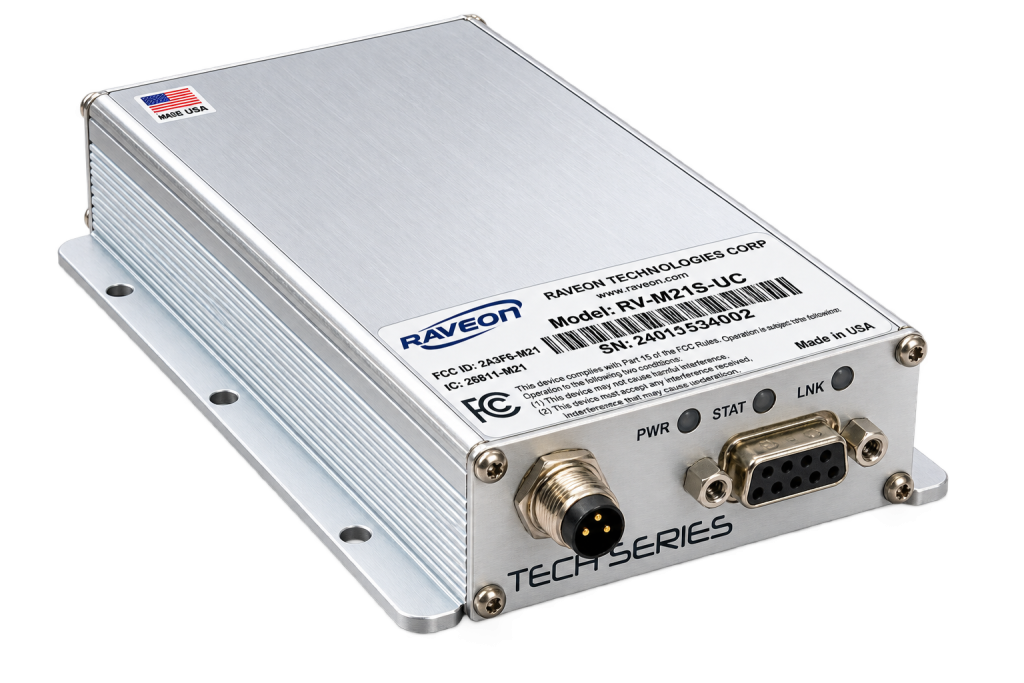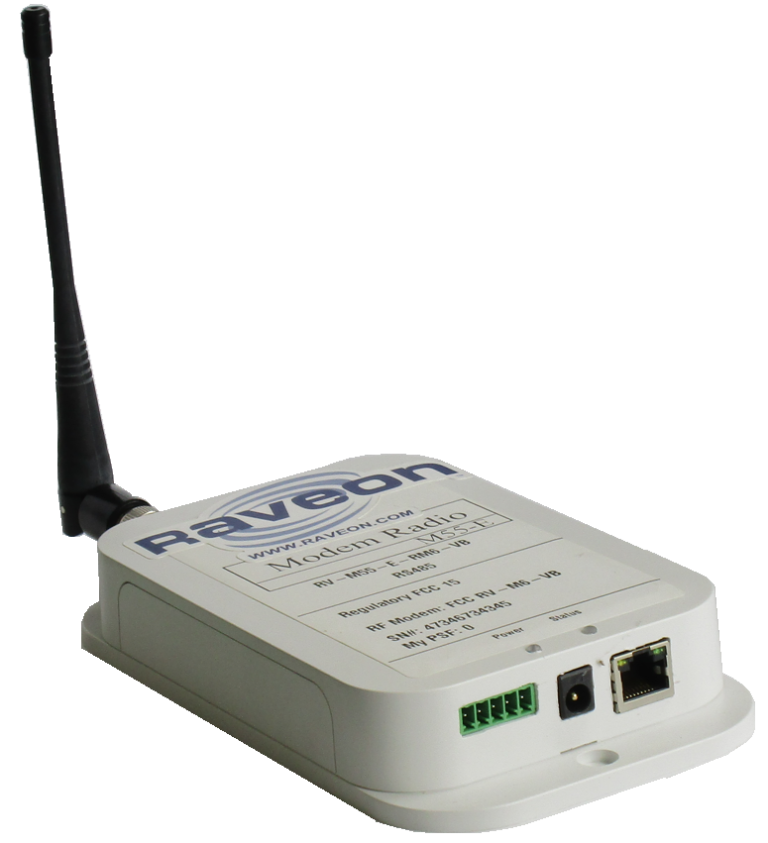
RAZN Autonomous Remote Control System

Long-range wireless control system for lights, valves, pumps, and infrastructure—designed for autonomous operation in remote and off-grid environments.

RAZN Autonomous Remote Control System

Overview

The RAZN (Remote Autonomous Zone Node) is a powerful wireless control system designed to operate equipment in remote and isolated environments.

It combines long-range RF communication, flexible I/O, and autonomous logic into a compact, rugged platform capable of controlling critical infrastructure without reliance on cellular or continuous network connectivity.

RAZN systems can operate independently or as part of a large-scale network, making them ideal for agriculture, utilities, and industrial automation.
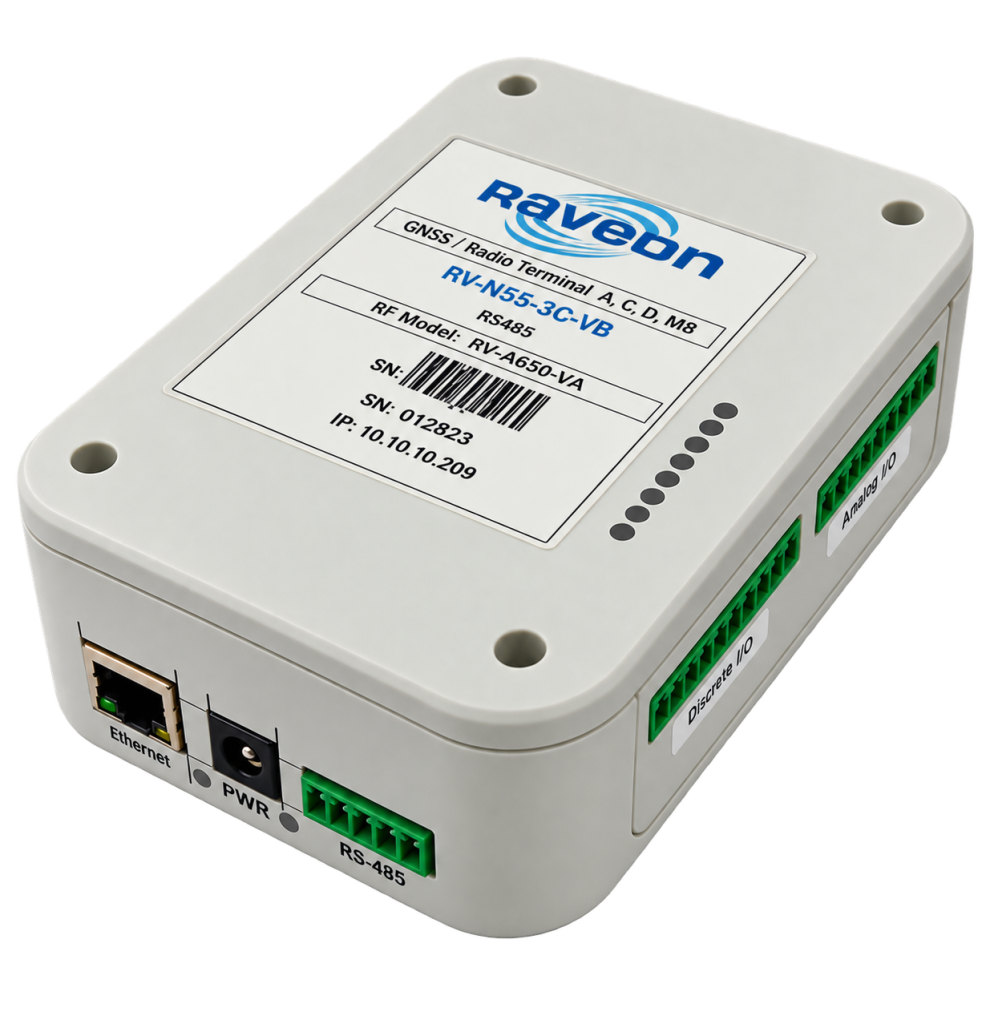
CORE CAPABILITIES

Remote control of lights, valves, pumps, and relays
Long-range wireless communication (1–50+ miles)
Autonomous operation (no network required)
Flexible I/O: 8 inputs / 8 outputs
Secure AES128 encrypted communication
Real-time control via buttons, switches, or web interface
Multi-node system support (2–200+ devices)
Works with VHF, UHF, and ISM (LoRa) radios

SYSTEM ARCHITECTURE

RAZN Master Controller Master Sends commands to remote nodes Interfaces via Ethernet, serial, or WebGUI Can connect to cloud, server, or local PC
RAZN Servant (Remote Node) Servant Controls physical outputs (valves, pumps, etc.) Receives commands over RF Provides real-time status feedback
RAZN Pair Systems (RV-N58) Pair Kit Pre-configured master + remote node kits Simplified deployment Plug-and-play operation

INTERFACES & CONFIGURATIONS

Communication Interfaces Ethernet (TCP/IP client/server) RS-485 / RS-422 WebGUI (browser-based control)
I/O Capabilities Terminal A (Outputs) 8 Switched Voltage (SV) Outputs Controls AC or DC loads Drives relays, pumps, valves, lighting
I/O Capabilities Terminal B (Inputs) 8 Button Inputs (BI) Trigger local or remote actions Real-time control response

How it Works

The RAZN system wirelessly links a master controller to one or more remote nodes over long-range RF communication.

When an input (button, switch, or web command) is triggered at the master, it sends a command to the remote node, activating the corresponding output.

Even if network connectivity is lost, the system continues to operate autonomously using pre-configured logic.

Deployment configurations include:

1

Point-to-point control systems

2

Multi-node distributed networks

3

Autonomous infrastructure control

PERFORMANCE & CAPABILITIES

Wireless Range 1–50+ miles depending on radio configuration Supports VHF, UHF, and LoRa (ISM)
Real-Time Control Instant response from inputs to outputs LED status confirmation on both master and remote units
Power Efficiency Low power consumption (1–2W typical) Compatible with solar-powered systems

NETWORKING & CONTROL

Control Methods Physical buttons and switches Web-based GUI (browser access) Remote PC or server integration
System Scalability Supports 2–200+ nodes Flexible architecture for large deployments
Diagnostics & Monitoring LED status indicators (power, comms, outputs) Internal voltage and temperature monitoring RF link confirmation feedback

OPTIONAL FEATURES

Integrated radio options (M6, M8, LoRa modules)

Ethernet-enabled remote control

DIN rail mounting options

AC/DC power supply accessories

Custom configurations for specific applications

TECHNICAL HIGHLIGHTS

Power Input

7.5V – 29V DC

Power Consumption

~1–2W (excluding RF module)

Output Voltage

3–30V DC / 2–32V AC

Output Current

1.1A continuous / 2.5A peak

Operating Temperature

-30°C to +60°C

Encryption

AES128

Dimensions

5.25” × 2.75” × 1.25”

Weight

~0.40 lbs (plus RF module)

USE CASES

Automated irrigation systems

Water management and conservation

Remote pump and valve control

Smart agriculture deployments

Utility infrastructure control

Industrial automation in isolated areas

Remote lighting and security systems

Related Products

M24 Weatherproof System

 Outdoor-ready telemetry and control

 Integrated SCADA communication radios

RV-SMB Base Station

 Central network coordination

Control Anything. From Anywhere. Even Without a Network.

Deploy autonomous wireless control systems that continue operating—even when connectivity is lost. Built for remote, critical, and off-grid environments.